Artificial Intelligence has become deeply embedded in the lives of Indian children, shaping their education, social interaction, entertainment, and emotional development. The emergence of Generative AI has introduced critical new risks including synthetic child sexual abuse material (CSAM), deepfake exploitation, algorithmically-enabled grooming, invasive behavioural profiling, and psychological dependency.
Globally, child safety responses have centered on access control—age-gating, content filtering, platform moderation; these represent important first steps. But these frameworks were designed for static content curated at source. AI platforms dynamically generate and personalise harmful experiences after the point of access. Controlling the gate only on one side of the pipeline is insufficient when harm is manufactured end to end. A comprehensive, forward-looking policy framework rooted in a strongly techno-legal perspective is now essential to safeguard children’s rights and wellbeing at scale in the AI era whilst enabling India’s leadership in responsible digital governance.
The Indian “Expert Engagement Group on AI and Child Safety « (see below) proposes a shift from platform-centric access control to user-empowered curation control. Building on India’s globally recognised Digital Public Infrastructure—Aadhaar, UPI, DEPA—it envisions an unbundled architecture where:
- Age Tokens verify developmental stage without exposing identity
- “Bring Your Own Curation Engine” opens content curation beyond platform defaults
- Interoperable parental controls work across platforms, not within silos
- Algorithmic transparency and ease of use enables informed user choice with evolution
The Expert Engagement Group on AI and Child Safety chaired by iSPIRT and supported by Space2Grow and Childlight as Knowledge Partners was convened by MeitY to bring together a genuinely diverse set of voices: civil society organisations, technology companies, funders, legal experts, law enforcement, the judiciary, the Ministry of Home Affairs, the Ministry of Women and Child Development, and children’s rights advocates. From the very first conversations around shaping the narrative, through the pre-Summit convening on 27th January, to the formal submission of our recommendations report, every one of you contributed something essential.
The culmination of the Expert Engagement Group collective effort, the EEG Report and Recommendations on AI and Child Safety has been formally submitted to MeitY as a set of seven interconnected recommendations covering privacy-preserving age assurance, algorithmic transparency, legal reforms for AI-generated CSAM, outcome-based safety standards, Child Rights Impact Assessments, coordinated response infrastructure, and AI literacy. The report calls for a structural shift from access control to Layered Curation Control — a framework grounded in India’s own Digital Public Infrastructure strengths, and deeply anchored in the Best Interests of the Child principle under the UNCRC. Further, the Expert Engagement Group were thrilled to present the recommendations at the AI Impact Summit on 17th Feb, in collaboration with Institute for Governance, Policies and Politics (IGPP).
During the round table “Child protection & AI” organized by the French Embassy on the future of Franco-Indian cooperation on February 18, 2026, during the High-Level University and Scientific Meetings (RUSH) — in the presence of, among others, Minister Anne Le Hénanff, Ambassador Clara Chappaz, and iSPIRT, The French minister declared: “It’s clear that in the system today, something is rotten. When you look at the situation of our children or teenagers, when you think about social media and if you add to it some AI chatbot, this is the beginning of a terrible situation,” said Emmanuel Macron on Wednesday, February 18, at an event held alongside the Global Artificial Intelligence Summit, which took place from February 16 to February 20 in New Delhi. The French president was supporting remarks made earlier during a conference organized by Anne Le Hénanff, the minister delegate for AI and digital affairs. Its aim was to promote the theme of child protection, with a particular focus on chatbots such as ChatGPT, Gemini, Meta AI, Grok and others.

ETI, University of Technology of Sydney & Human Technology Institute

Head of MILA AI Safety Studio, Quebec AI Institute
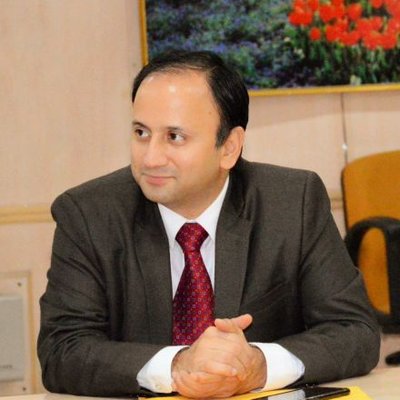
Joint Secretary for Cyber Diplomacy and E-Governance, Ministry of External Affairs

Executive Director for Policy, Paris Peace Forum
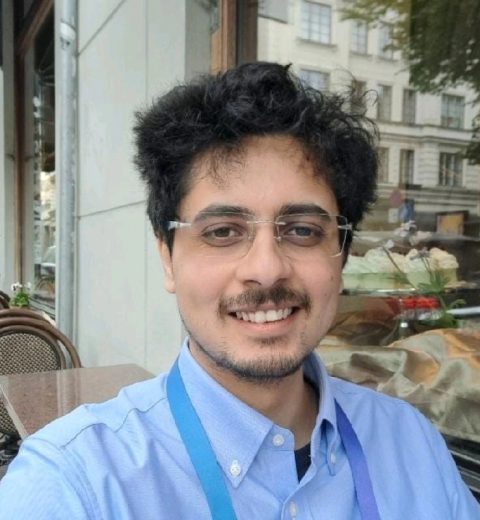
iSPIRT Volunteer

CEO, French Embassy of Digital Affairs and AI
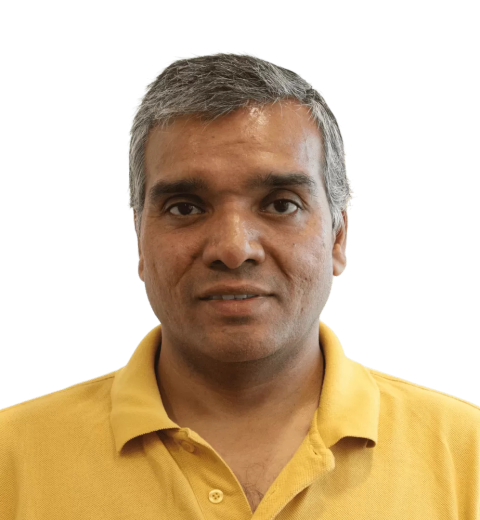
VP & Chief AI Scientist
Reliance Jio
Reliance Jio

Fellow
iSPIRT Foundation
iSPIRT Foundation